

If Nepal is on your mind and you’re planning your first visit, it’s normal to feel both excited and a little unsure. Nepal is not complicated, but it is different. And that difference is exactly what makes it special. Knowing a few simple things before you arrive can turn confusion into confidence and help you enjoy the country the way it’s meant to be experienced — slowly, openly, and with curiosity.
Arriving in Nepal – First Impressions Matter

Most travelers arrive at Tribhuvan International Airport in Kathmandu. It’s small compared to major international airports, and that can feel surprising at first. The process may not be fast, and things don’t always move in straight lines. But don’t worry — staff are used to first-time visitors, and help is always nearby.
Once you step outside the airport, the city hits you instantly. Traffic, sounds, colors, people, horns, incense, dust — everything arrives at once. This is normal. Kathmandu doesn’t ease you in gently; it welcomes you loudly. Take a breath, smile, and let it happen. This first moment is part of the experience.
Visa, Money, and Documents – Keep It Simple
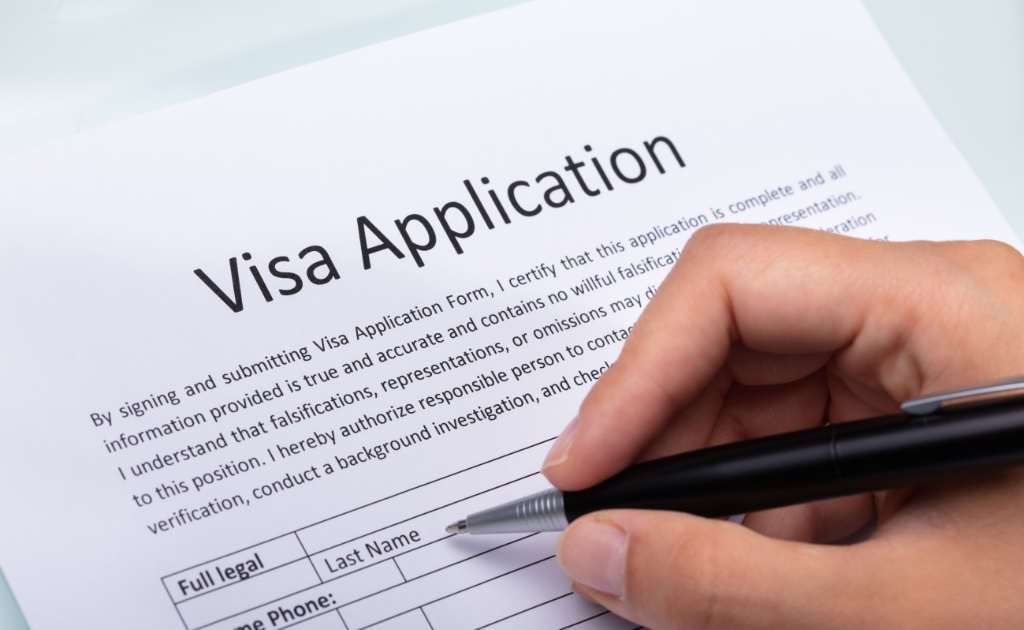
For most nationalities, getting a visa on arrival is straightforward. Bring passport photos and some cash just in case. Keep copies of your passport, visa, and travel insurance both digitally and physically.
Money in Nepal is mostly cash-based, especially outside big cities. ATMs are available in Kathmandu and Pokhara, but they don’t always work perfectly. Carry small notes. Credit cards are accepted in hotels and some restaurants, but don’t depend on them everywhere.
One important thing: changing money on the street may seem easy, but it’s better to use banks or authorized exchange counters.
Getting Around – Expect the Unexpected
Transportation in Nepal is an adventure of its own. Roads are not always smooth, distances feel longer than they look on the map, and schedules are flexible. If you’re used to strict timetables, this can feel frustrating at first.
But once you adjust, it becomes part of the charm. A drive may take longer, but the views are often beautiful. Flights may be delayed, but locals handle it calmly. The key is patience. Nepal teaches you to slow down — whether you planned to or not.
People and Hospitality – The Heart of Nepal
One of the first things travelers notice is how warm people are. Nepalis may not have much, but they share what they can. A simple “Namaste” goes a long way. You’ll notice people are curious, helpful, and often genuinely happy to see visitors.
Don’t be surprised if someone starts a conversation just to ask where you’re from or if you like Nepal. It’s not business — it’s friendliness.
Respect goes both ways. Smile, be polite, and show interest in local life. You’ll feel welcomed almost everywhere.
Food and Eating Habits – Simple, Filling, and Comforting
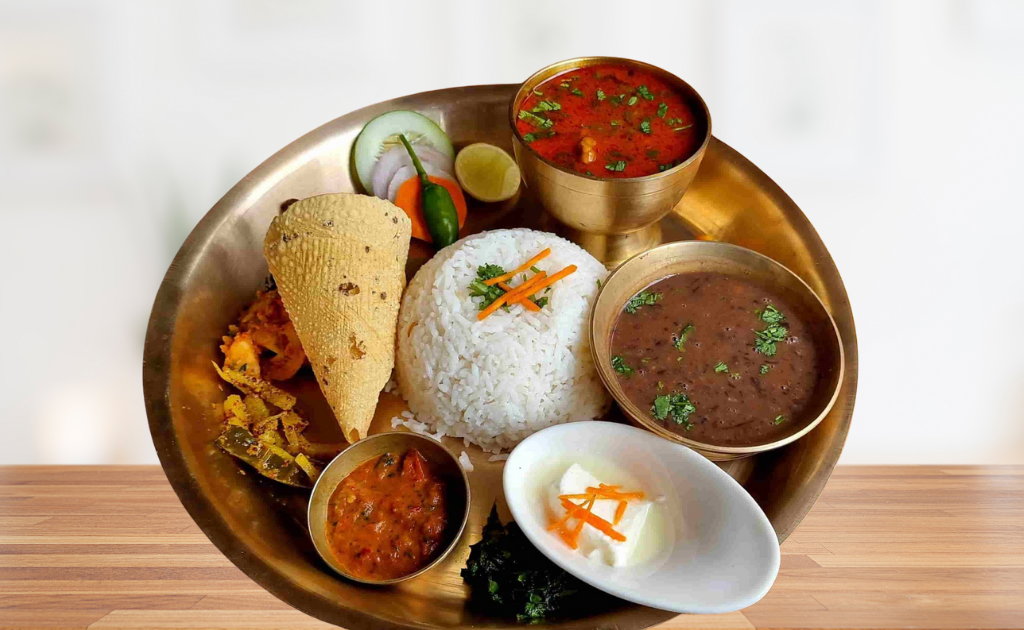
Nepali food is simple and honest. Dal bhat — rice, lentils, vegetables — is the daily meal for most people. It’s filling, fresh, and usually served with care. You’ll also find momos, noodles, curries, and plenty of café food in tourist areas.
If you have a sensitive stomach, eat freshly cooked food and avoid tap water. Bottled or filtered water is widely available. Over time, most travelers find Nepali food comforting and surprisingly addictive.
Meals are often slower, and service is relaxed. This isn’t poor service — it’s just a different rhythm.
Culture and Etiquette – Small Gestures Matter
Nepal is deeply rooted in tradition. Removing shoes before entering homes and temples, dressing modestly at religious sites, and using your right hand when giving or receiving things are simple ways to show respect.
Public displays of affection are uncommon. Loud behavior in temples or sacred places feels out of place. When in doubt, observe others and follow their lead.
Nepalis appreciate visitors who respect culture more than those who try to impress.
Safety and Comfort – Common Sense Goes a Long Way
Nepal is generally safe for travelers. Violent crime against tourists is rare. Like anywhere else, watch your belongings in crowded areas and avoid empty streets late at night.
Health-wise, take it slow. The change in food, altitude, and pace can affect your body. Drink enough water, rest when needed, and don’t rush your itinerary.
Trust your instincts. If something feels uncomfortable, step away calmly.
Internet, SIM Cards, and Staying Connected
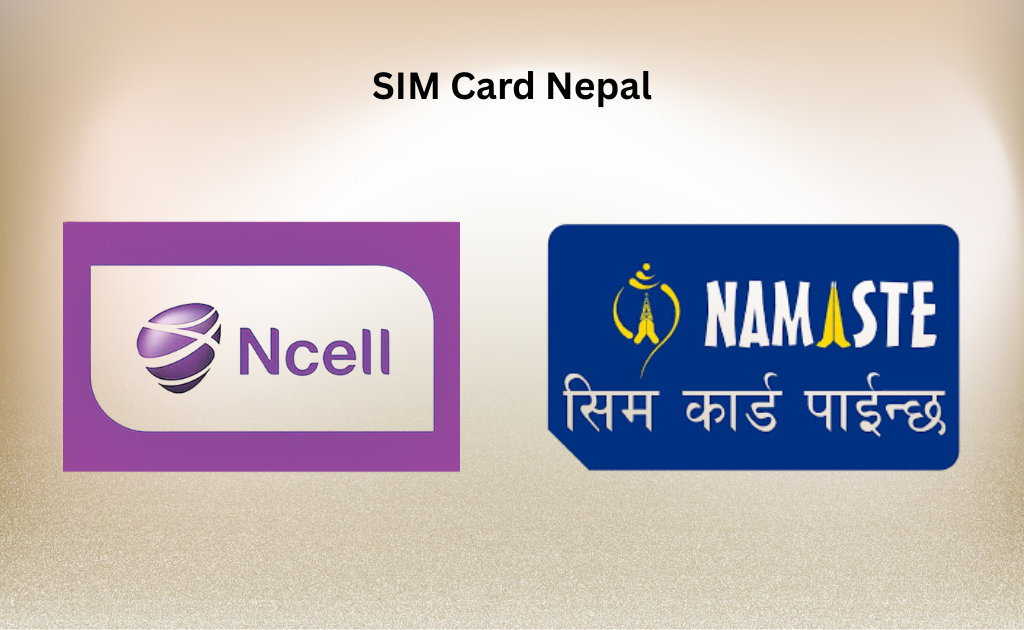
Getting a local SIM card is easy and affordable. Data works well in cities and tourist areas, though connectivity may be weak in remote regions. Power cuts are less common than before, but carrying a power bank is a good idea.
Don’t expect perfect internet everywhere. Nepal gives you a chance to disconnect — take it when you can.
Letting Go of Expectations
Perhaps the most important advice for first-time travelers: don’t compare Nepal to other countries. Things may not be perfect. Roads may be rough. Plans may change. But moments of kindness, beauty, and peace often appear when you least expect them.
Nepal doesn’t impress by being polished. It stays with you because it feels real.
Final Thoughts
Traveling to Nepal for the first time is not about ticking off landmarks. It’s about learning to slow down, to observe, and to appreciate simplicity. Come with an open heart, flexible plans, and patience — and Nepal will quietly give you more than you expected.